Can You Throw Out the Prenup During a Divorce?
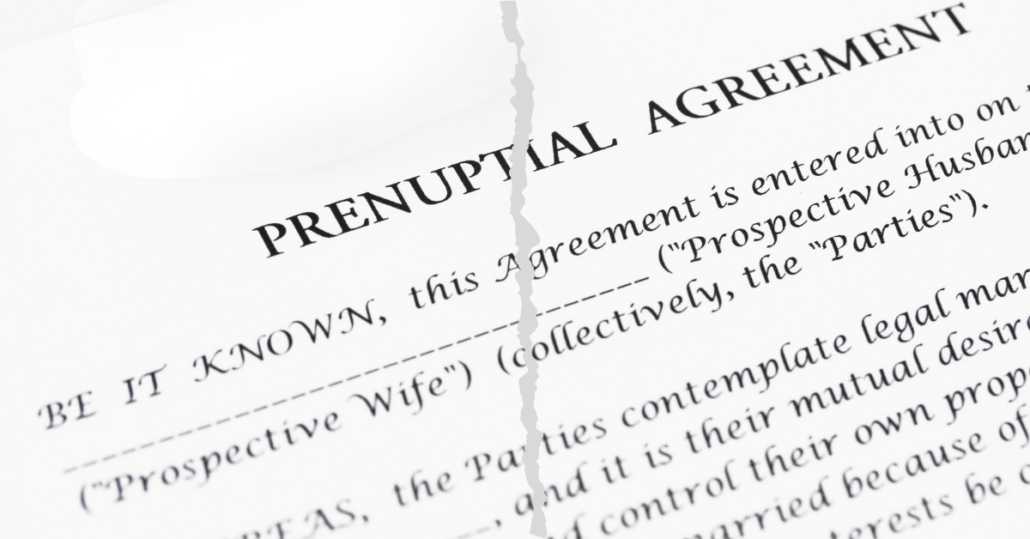
If you and your spouse agree that your prenuptial agreement is no longer necessary or is outdated, you can destroy it at any time during your marriage. If you do this, we suggest making it legally binding with an official document. However, once you are headed to divorce, the prenup is in full force — unless, of course, it is challenged.
Valid prenup in PA
A valid prenuptial agreement in Pennsylvania must be written and signed by both parties. It must be fair, voluntary, and consistent with the laws of the state. Notarization is recommended but not required. PA does, however, require a full financial disclosure in the document of all assets, income, and debt of both parties. This requirement can be waived if both parties agree in writing, though it is not recommended.
Common reasons why a prenup is challenged
A prenup can be challenged if one spouse claims that the prenup is invalid in full or in part. Legal grounds for contesting a prenup may include:
- Involuntary or signed under duress: If one spouse coerced the other or produced the prenup just days before the wedding, this could call into question the prenup’s voluntary nature.
- Lack of capacity: If one spouse was suffering from mental or physical illness which could limit the person’s ability to make good judgment, or if the person were intoxicated or under the influence of drugs, this would bring its validity into question.
- Unreasonable terms: The prenup must treat both spouses fairly, not benefit one spouse over the other.
- Fraud or misrepresentation: Since one of the requirements in PA is full disclosure of all assets and debts, any evidence that financial information was misrepresented could invalidate the prenup.
- Illegal clauses: The prenup must be consistent with PA law. No clause that determines child custody, child support, or alimony is valid because the court has jurisdiction in these matters.
- Unenforceable clauses: “Lifestyle clauses” are generally unenforceable, such as weight limits, intimacy quotas, or requiring spouses to perform certain actions. “Cheating clauses” that might require the cheating spouse to pay a certain lump sum to the offended spouse are also non-enforceable because of PA’s no-fault divorce laws. The inclusion of unenforceable clauses in a prenup can cause a judge to question the validity or fairness of the entire document.
Contesting the prenup
The burden of proof rests with the spouse challenging the prenup, and strong evidence must be presented to support the challenge. Evidence may include a medical diagnosis at the time of the signing indicating lack of capacity; financial documents showing that some assets were not included in the financial disclosure; sworn testimony from witnesses that you expressed reservations about signing the document and felt forced into it.
Expert legal counsel will be necessary to help you collect evidence powerful enough to overturn a legal document that you signed. At Karen Ann Ulmer, P.C., we understand the elements of a valid prenuptial agreement and what is necessary to successfully contest one. Request a confidential consultation today by calling (866) 349-4721 so we can get started right away.